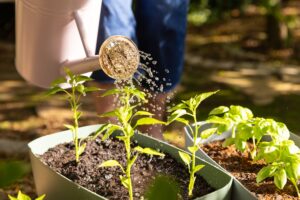



With our flowerbeds overflowing and our vines growing heavy with fruit, it’s tempting to focus on the bounty at hand. Yet here in the mid-Atlantic, mother nature gives us a second window to replant cool-season crops for an autumn harvest. Take advantage of the opportunity!
Those succulent tubers that ripen underground don’t mind the cool weather of fall, and some even get better with a little frost. We can expect our frost date sometime in November, usually at the beginning of the month in Lothian, and often a week or two later in Alexandria. With that mind, we can count backward to plan for a bountiful harvest in October and November.
Carrots mature in 70-80 days. Plant them up until mid-August, spacing the seeds close together so you can thin them for baby carrots as they grow.
Radishes ripen in 55-60 days. Keep a close eye on these as there is a sweet spot to harvest them before they turn woody.
Onion sets mature in 30-60 days. You have lots of time to plant them for fresh Thanksgiving stuffing.
Turnips are ready 40-55 days after planting. This old-fashion staple is usually sweeter and more tender in the fall than the spring crops. Try them this year, if you’ve never had them before.
Rutabagas, the close cousin of the turnip, are ready in 70-80 days, just in time for some mouth-watering fall stews and casseroles. Both turnips and rutabagas sweeten after some frosty mornings.
Beets, the powerhouse of healthy eating, gives you a tasty harvest in 45-65 days. Try a taste of golden beets if you’re looking for a twist on this classic.

Brassicas are those incredibly tasty, healthy family of veggies, that include broccoli, Brussels sprouts, cabbage, kale, cauliflower, and kohlrabi. Their rich green and sometimes red leaves are packed with nutrition. They’re known to prevent cancer, among other benefits. But the best reason to grow them is because they taste delicious!
Kale matures from seed in 40-50 days and from transplants in 14-20 days. Try mouth-watering varieties of lacinato, red, or curly kale. They taste sweeter after frost and are so hardy that they stay fresh even in some snow.
Cabbage transplants will ripen in 60-75 days. You can plant them all the way until mid-September. If you’ve mastered the classic green cabbage, try growing a Savoy variety.
Brussels sprouts grow in 40-55 days from transplants. They’ll be ready for roasting just as you start to crave some hardier fall cooking.
Cauliflower transplants mature in 55-65 days or grow from seed in 85-95 days. You still have lots of time to plant these for a fall harvest.
Collards need 30-70 days to grow. This favorite of southern cooking is another powerhouse that will strengthen your bones against the winter. They survive temperatures down to 26ºF.
Kohlrabi grows from seed in 50-60 days or from transplants in 20-30 days. Try eating these raw in a salad like a radish or cooking them into stews like you would a turnip or potato.

They are easy to grow and even easier to eat. Put the seeds in the ground, and your salad bowl will soon be brimming with goodness. They’re often so invigorating that you’ll wonder why you fussed so much about your favorite tomatoes when all your veggie’s dreams might be fulfilled by greens alone!
Lettuce is often ready for eating in as little as 30 days. If you thought it was boring, swap your romaine for oak leaf, red leaf, frisée, or butterhead lettuce.
Spinach produces tender iron- and calcium-packed greens in 50-60 days. The classic example of a vegetable that bolts in hot weather—it’s perfect for the cool days of September and October.
Swiss Chard needs a little longer to mature at 60-70 days. Sautée it with lemon zest, mushrooms, and butter, or bake it into lasagna, quiches, and shepherds pie.
Mustard greens add spice to any salad and are packed with energy. They can be harvested in as little as 30-40 days. The longer you leave them, the spicier they become.
Bok Choy is just the tip of the iceberg (lettuce) of Asian greens. In 45-60 days, they are ready for a crunchy, refreshing salad or stir fry.
Arugula, also called rocket for its fast growth, is often ready in under a month. You can garnish your homemade pizzas and pasta with this peppery green all through the autumn.
Peas are not technically a leafy green, root vegetable or brassica, but should not be overlooked. You can eat the tasty shoots as they come up or wait for the sweet pods ready in 50-70 days.

If you thought you missed your chance for planting, rest assured you still have lots of time. It’s too late for warm-season vegetables like cucumbers and summer squash, but the end of the season is perfect for many classics. Our family-owned garden centers are here to support you through the whole season and to help you make the most of our cool climate!