Container Gardening 101: Easy Steps for Stunning Results!
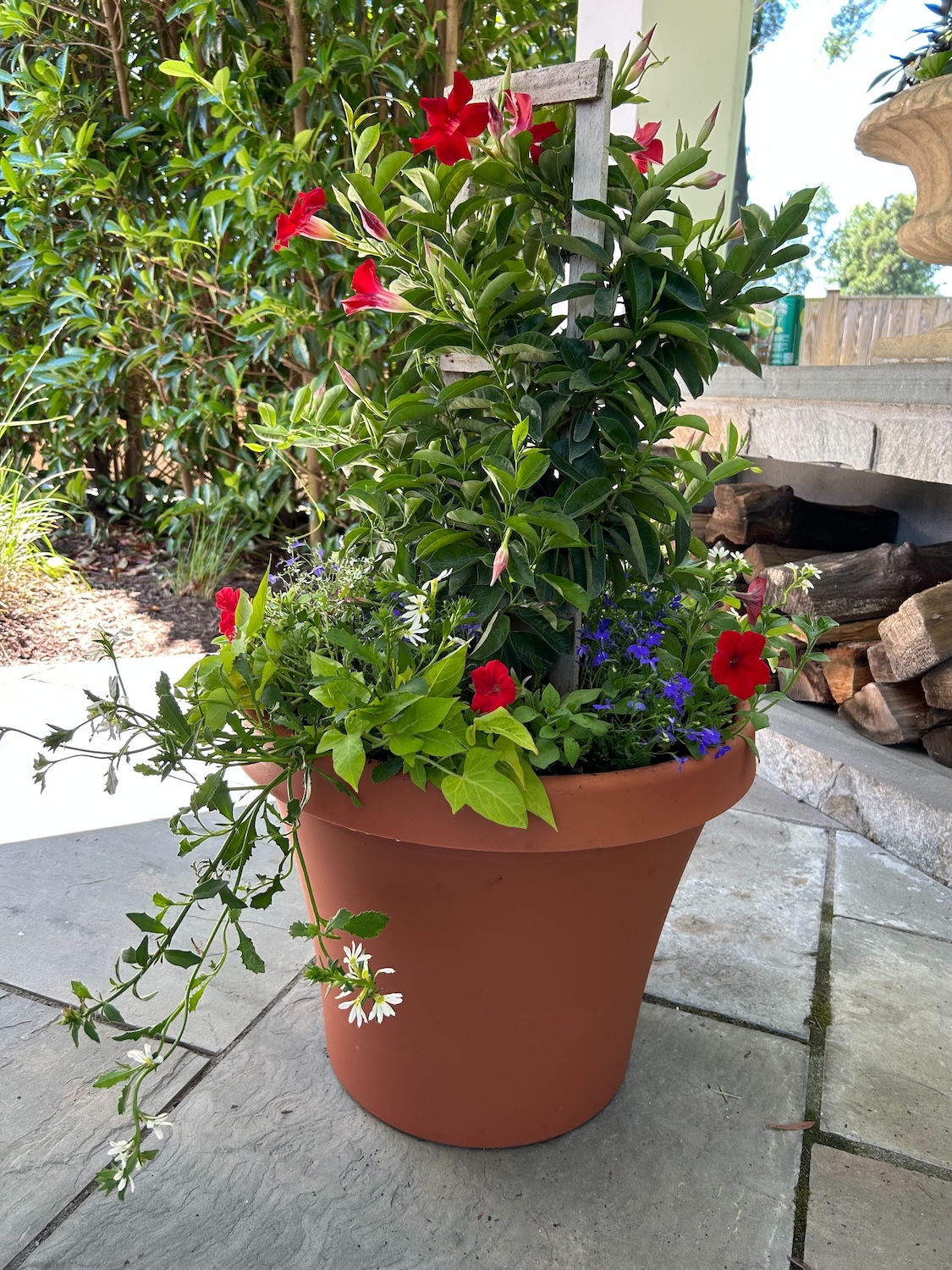
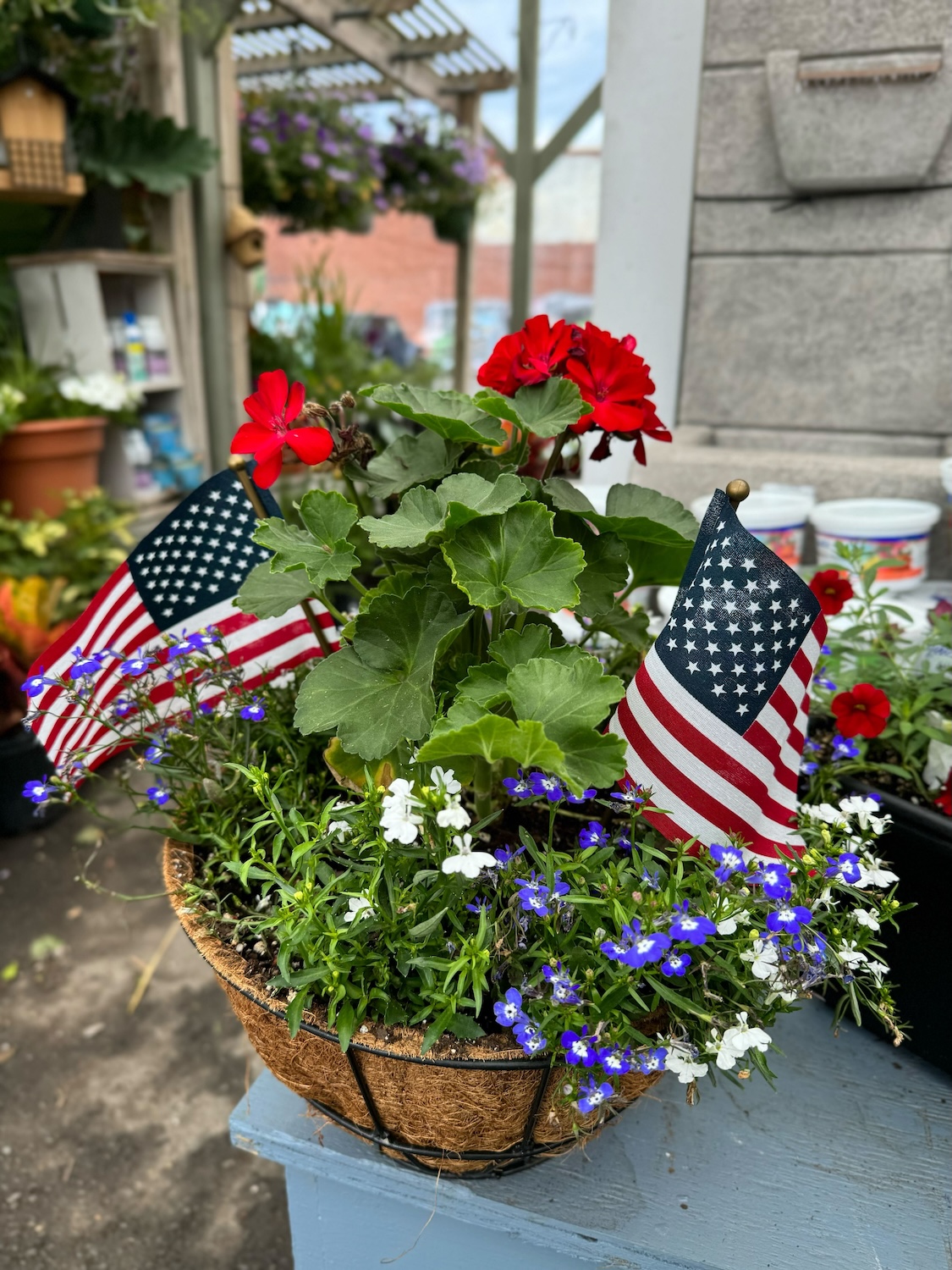
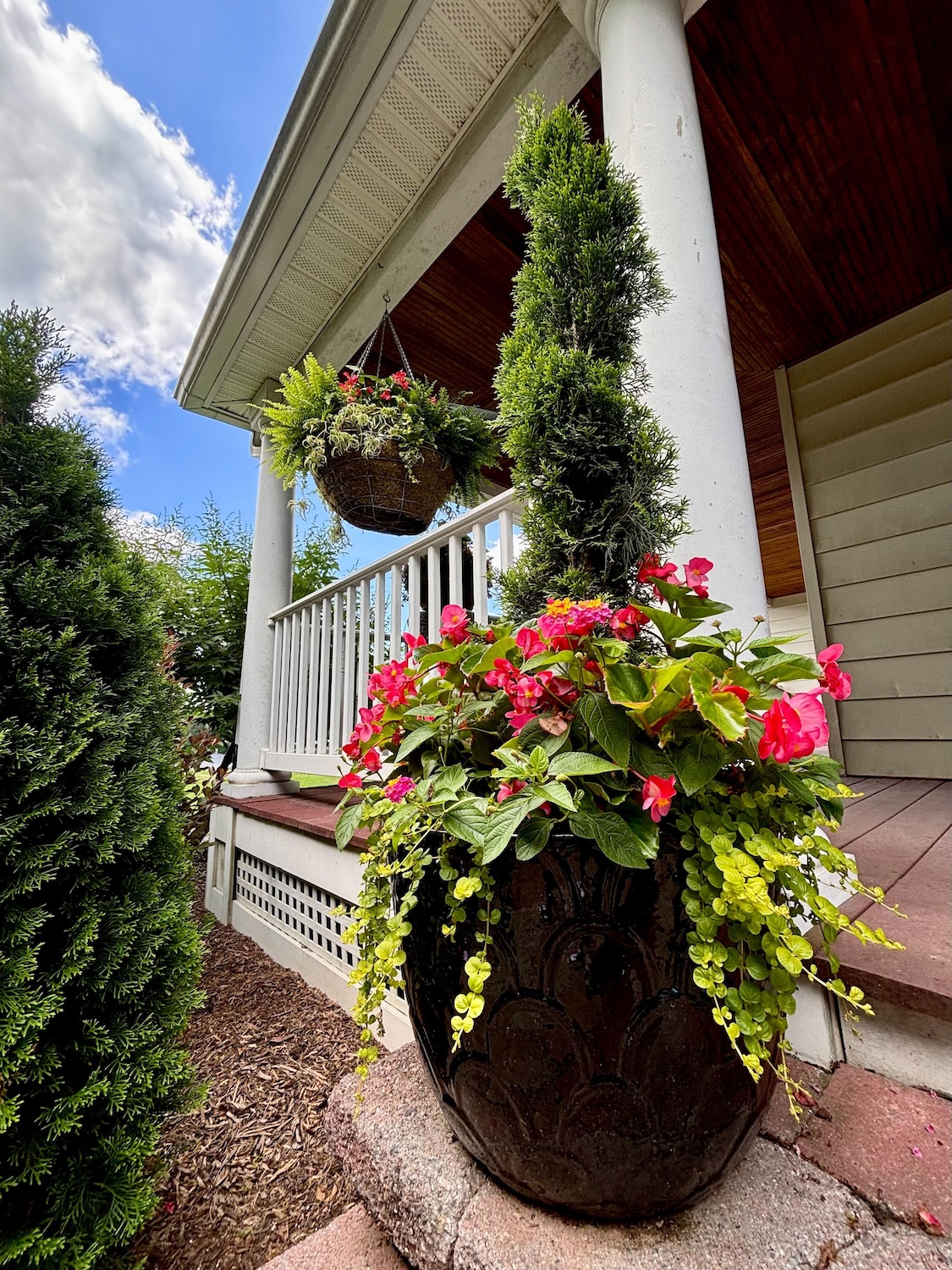
Container gardening is a versatile, convenient, and stylish way to enhance your home or patio—perfect whether you have limited yard space or just love the aesthetic. Sometimes, we might not always have a yard or large planter box to plant in, so we make do. I mean, a well-done plant container looks good and can elevate the look of the area around it. A plant “container” can be just about anything, whether that is an old oak barrel or an extra plastic bin you have laying around, the only real criteria is that it must be able to hold whatever plants you want to put in it. That being said, here are some methods to ensure the success of the new container you intend on creating.
The first step in container gardening is identifying what you would like to grow in your container. This is important for determining things like where the planter should be placed for optimal sunlight, what kind of soil should be used, water needs, and how large the container needs to be to support the size of the roots. This will just take some research to determine the best method of approach. If you just want some simple pansies that look pretty, smaller containers with medium sunlight work best. If you want some tomatoes in a container, you’re going to need something a little deeper and with more consistent sun. Every plant is a little different and has different needs.
Now that you have figured out what you want to grow and where your container will go, it’s time to put it together. There are some different ways people like to assemble a container, but I’ll tell you the easiest container gardening method I have found, and a bonus is that it’s best for the health of whatever I am planting. I like to first make sure the container I am using has drainage holes in the bottom. If there aren’t any, I either drill them out myself or I go get something else to plant in. The holes make sure excess water drains from the soil, which first makes sure the plant doesn’t drown from being overwatered and ensures the soil doesn’t become waterlogged and cause root rot. Next, I like to put a 1–2-inch layer of stones in the bottom with a piece of filter fabric on top that separates the soil and the stone. This allows water to drain freely and prevents the soil from being washed out over time with the water that is escaping. Finally, I add whatever soil mix is best for what I am intending to grow there, and I plant my plants. I like to leave the soil an inch or two down from the top edge of the container to keep things clean and prevent soil from spilling out. With that, my container is usually good to go, and I’m well on my way to container gardening. I like to stick my finger in the soil to check the moisture level and I make sure to water whenever it is dry and from time to time, I add some extra soil on top but besides that, it is pretty much maintenance free from here on out.
As a plant enthusiast, I spend a large portion of my free time caring for plants around and inside my house. I have my house plants on the inside, my garden outside, and some containers on my porch. Container gardening has been the latest addition to my little plant world, and I have to tell you, they are quickly becoming my favorite. I usually do a rotation of annual flowers in the spring and the fall. I do some pansies in the spring and violas in the fall. I, personally, find these containers to be the easiest and most efficient way to keep some annuals on my property and not have to worry about digging them out of the ground when they inevitably die off. Container gardening makes it so much easier to swap them out when the time comes as opposed to planting them directly in the ground. That’s just me though, to each their own. You can plant whatever you would like in just about any container you would like, and I am for it. At the end of the day, all that matters to me is all the containers I have made over the years have done well. They work well and they’re a really easy an efficient way to get some more gardening into your life. If you have questions about container gardening, or for more information, stop into one of our stores or give us a call! Happy gardening!
At Greenstreet Gardens, we take pride in the fact that our number one goal is to make our customers successful.
Equipped with a diverse wealth of information and a knowledgeable staff, we are confident that we are able to provide all of the right tools and plant material necessary to help make your gardening ideas become reality.